How Small Electrical Problems Affect Overall Vehicle Performance
Most drivers expect a vehicle problem to announce itself with a warning light, a strange noise or a breakdown. In reality, many issues begin much more quietly. A slightly loose connection, a damaged wire hidden behind a panel or a battery struggling to maintain voltage can all affect how a vehicle performs long before a major fault becomes obvious.
Modern vehicles rely heavily on electrical systems. From engine management and safety features to lighting, charging systems and onboard electronics, nearly every component depends on a stable electrical supply. When small electrical faults are ignored, they can gradually affect reliability, efficiency and safety, often leading to more extensive repairs later.
Understanding how minor electrical issues influence overall vehicle performance highlights the value of early diagnosis and professional attention. Regular inspections and timely car electrical repairs can help identify hidden faults before they develop into costly or potentially dangerous problems.
Electrical Faults Often Start Small but Spread Quickly
Vehicle electrical systems operate as interconnected networks. When one component begins to fail, the effects can extend well beyond the original fault.
A corroded battery terminal, for example, may initially cause occasional starting difficulties. Over time, the increased resistance can place additional strain on the battery, alternator and starter motor, creating a chain reaction of problems.
Auto electricians frequently identify faults that have progressed from relatively minor issues, including:
- Loose electrical connections
- Damaged wiring insulation
- Corroded terminals
- Worn connectors
- Intermittent circuit faults
Early detection allows repairs to remain targeted and manageable before wider system damage occurs.
Reduced Battery Performance Impacts Multiple Systems
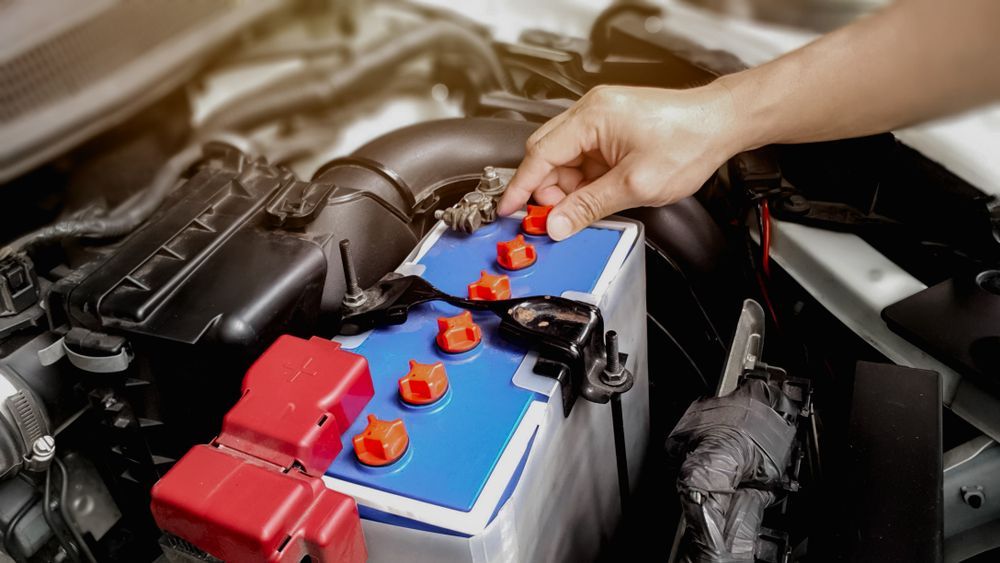
The battery acts as the foundation of a vehicle's electrical system. While many drivers associate battery problems solely with starting difficulties, voltage irregularities can affect numerous vehicle functions.
Modern vehicles require consistent voltage to support electronic control units, sensors and safety systems. Even a partially weakened battery can create unexpected performance concerns.
Potential signs of battery-related electrical issues include:
- Slow engine cranking
- Flickering lights
- Intermittent dashboard warnings
- Malfunctioning electronic accessories
- Unreliable start-stop systems
Professional battery testing and charging system inspections help identify whether the battery itself is at fault or whether another electrical component is contributing to the problem.
Wiring Damage Can Create Hidden Safety Risks
Vehicle wiring is exposed to vibration, heat, moisture and general wear throughout its lifespan. Small areas of damage may initially appear insignificant but can become serious safety concerns if left unresolved.
Frayed wiring or damaged insulation can create electrical resistance, voltage drops or short circuits. In more severe situations, overheating may occur, increasing the risk of electrical fires.
Common causes of wiring deterioration include:
- Age-related wear
- Rodent damage
- Previous poor-quality repairs
- Excessive heat exposure
- Moisture intrusion
Auto electricians use specialised testing equipment to locate faults hidden within complex wiring networks, allowing repairs to be completed before more significant failures develop.
Sensor Malfunctions Affect Vehicle Efficiency
Modern vehicles depend on dozens of sensors to monitor operating conditions and communicate with engine management systems. Small electrical faults can disrupt sensor readings even when the sensor itself remains functional.
Incorrect data may cause the engine control unit to make unnecessary adjustments, potentially affecting fuel efficiency, emissions and overall drivability.
Electrical issues commonly linked to sensor performance include:
- Voltage fluctuations
- Damaged wiring
- Loose connectors
- Corroded terminals
- Grounding faults
Because these problems often develop gradually, professional diagnostic testing plays an important role in identifying the source of the issue before vehicle performance declines further.
Charging System Problems Place Stress on Critical Components
The charging system works continuously to replenish battery power and support electrical demand while the engine is running. Small faults within the alternator, voltage regulator or associated wiring can disrupt this balance.
Initially, the effects may be difficult to notice. However, prolonged charging issues can accelerate wear across multiple electrical components.
Warning signs may include:
- Dimming headlights
- Battery warning lights
- Electronic system interruptions
- Inconsistent power delivery
- Repeated battery failures
Routine charging system inspections allow auto electricians to identify developing faults and prevent avoidable damage to connected systems.
Moisture Exposure Accelerates Electrical Instability
Water and electrical systems rarely interact well. Even small amounts of moisture can create corrosion, increase resistance and interfere with circuit operation.
Moisture-related problems may arise following severe weather exposure, damaged seals, blocked drainage systems or ageing components.
Potential consequences include:
- Corroded connectors
- Intermittent electrical faults
- Sensor communication errors
- Lighting failures
- Short circuits
Because moisture damage often progresses gradually, regular inspections can help identify vulnerable areas before extensive repairs become necessary.
Ignoring Warning Signs Often Leads to Higher Repair Costs
One of the most significant risks associated with minor electrical problems is their tendency to worsen over time. What begins as a simple connection issue can eventually affect multiple systems and require more extensive repairs.
Electrical faults rarely resolve themselves. Instead, ongoing stress on connected components often increases repair complexity and costs.
Examples of escalating issues include:
- Minor corrosion leading to wiring replacement
- Weak batteries damaging charging systems
- Poor connections affecting electronic modules
- Small voltage drops disrupting multiple circuits
- Intermittent faults becoming complete failures
Prompt diagnosis allows technicians to address the root cause before secondary damage develops.
Professional Diagnostics Help Prevent System Failure
Electrical faults frequently progress without producing obvious symptoms. Unlike mechanical failures that may create noticeable sounds or performance changes, electrical issues can remain hidden until a critical system stops functioning.
Professional testing provides a structured approach to identifying developing concerns before they compromise vehicle reliability or safety.
Diagnostic services commonly include:
- Battery and charging system testing
- Wiring inspections
- Fault code analysis
- Voltage and resistance testing
- Circuit integrity checks
Many vehicle owners searching for an auto electrician Tweed Heads service provider are often dealing with faults that have been developing unnoticed for months. Early assessment can help avoid unexpected breakdowns and improve long-term reliability.
It is also important to understand the distinction between a mechanic vs auto electrician. While mechanics focus primarily on mechanical systems such as engines, brakes and suspension, auto electricians specialise in diagnosing and repairing electrical and electronic components. For complex electrical faults, specialist knowledge and equipment are often essential for accurate diagnosis and effective repairs.
Conclusion
Small electrical problems rarely remain small for long. Whether the issue involves a weakened battery, damaged wiring, moisture intrusion or charging system irregularities, seemingly minor faults can gradually affect vehicle performance, reliability and safety.
Because modern vehicles depend heavily on interconnected electrical systems, early intervention is one of the most effective ways to prevent larger failures. Professional inspections, routine maintenance and timely car electrical repairs help identify risks before they escalate into costly or potentially hazardous situations.
By addressing electrical concerns as soon as they appear, vehicle owners can reduce repair expenses, improve reliability and support the safe operation of their vehicles over the long term.
Contact Us Today
Electrical faults can be difficult to identify without the right testing equipment and expertise. As a trusted auto electrician Tweed Heads locals rely on, we at Cabba Auto Electrics understand the challenges local vehicle owners face, including the impact of coastal conditions, humidity and everyday driving demands on vehicle electrical systems.
If you have noticed warning lights, battery concerns, starting issues or any signs of electrical instability, contact our Tweed Heads auto electrician team for professional assessment and repairs.