How An Auto Electrician Keeps Your Car Safe & Reliable On Long Drives
Big kilometres ahead? Before you load the esky and hit the highway, give your electrical system a proper health check. A modern vehicle relies on electronics for starting, cooling, lighting and safety. Booking an auto electrician in Tweed Heads visit before a road trip can prevent flat batteries, warning lights and comfort failures that turn a holiday into a headache. Here is how specialist auto electrician services keep long drives smooth, safe and stress free.
Why Electrical Reliability Matters On Long Drives
A long stint on the M1 exposes weak batteries, tired alternators and dodgy connections. Heat builds under the bonnet, accessories draw constant power, then night driving stacks on lighting load. If the charging system is marginal, voltage drops push control modules into limp modes or trigger random faults. Good electrical health means the car starts every time, runs its cooling fans, powers its fuel pump and keeps driver aids online. It is the difference between cruising to your stop and waiting for a tow at dusk.
What A Professional Pre-Trip Check Covers
A pre-trip assessment is more than a quick battery test. A trained technician follows a method that finds small issues before they strand you.
- Battery test and inspection: state of health, cold cranking amps and clean tight terminals
- Charging system check: alternator output under load and diode ripple to catch tired units early
- Starter draw test: confirms the starter is not dragging voltage on hot restarts
- Scan for fault codes: ABS, airbag, engine and body modules checked for stored or pending faults
- Lighting and visibility: headlight aim, high and low beam performance, indicator speed, brake lights and trailer socket function
- HVAC and demister operation: blower speeds, compressor clutch engagement and cabin filter condition
- Wiring health: look for green corrosion, rubbed insulation near brackets, tired earth straps and aftermarket add-ons that weren’t fused properly
Ask for a written report. It gives you a clear plan for what must be fixed now versus what to watch on the road.
Battery & Alternator: The Heart Of Highway Reliability
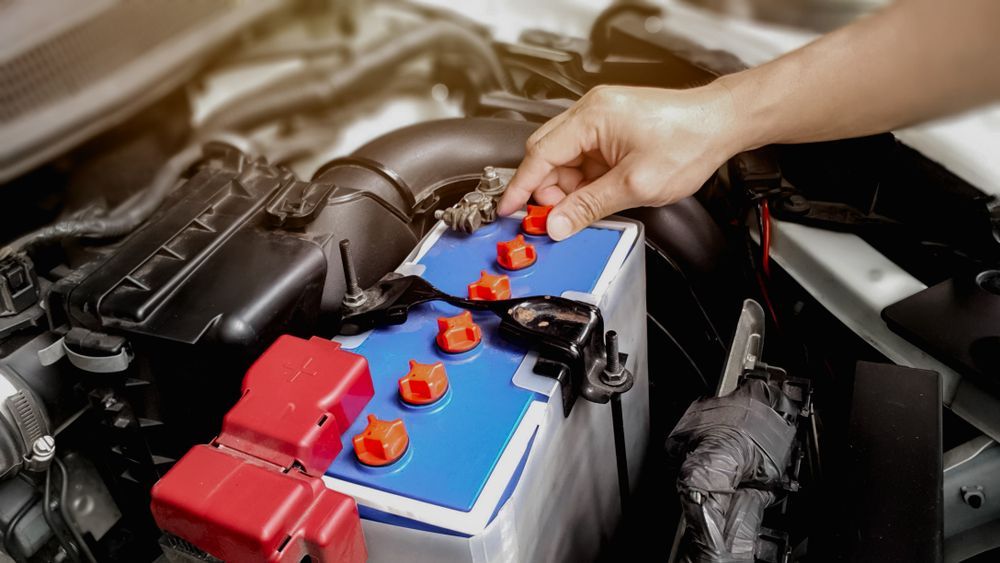
Batteries fail more often at the worst time — hot fuel stops or early morning starts at a campsite. On long drives, the alternator works hard to top the battery while running lights, fans and infotainment. An auto electrician measures real output across revs and load, checks belts, then inspects grounds and voltage drops across main cables. If you run a fridge or charge devices, a dual battery system with a smart isolator can protect the starter battery. Quality terminals, heat shielding where needed and tidy cable routing prevent the slow degradation that leads to no-start calls.
Lighting, Visibility & Being Seen
Good lights are non negotiable after dark or in rain. Dim headlamps, poor aim and intermittent brake lights add risk on unfamiliar roads.
- Headlights: check aim, lens clarity and output. Clouded lenses can often be restored rather than replaced
- Stop and tail lamps: verify brightness and even illumination on both sides
- Indicators and hazard lights: confirm correct flash rate, which also flags blown globes
- Trailer plug and wiring: test power, earth and brake feed through the socket so the van or trailer lights work first time
If you are considering an upgrade, ask about ADR compliant options that draw suitable current and won’t upset body control modules. Correct relays and canbus compatible globes avoid dash warnings and flicker.
Air Conditioning, Demisters & Cabin Power
Comfort keeps drivers sharp. If the air con fades after an hour or the fan only works on high, a long day gets harder. An auto electrician checks blower resistors, compressor clutch circuits and pressure switch inputs. They also test the rear demister and mirror heaters that clear fog quickly at dawn starts. Inside the cabin, poor phone charging usually traces to low quality sockets or weak wiring. Fused, high current USB outlets and a hard-wired dash cam can be installed cleanly so cords do not tangle around controls.
Starting, Ignition & Engine Electronics
Hot-start issues point to starter wear, voltage drop or failing crank sensors. A scan captures live data while the engine is cranking so faults do not hide. Your tech will also review ignition coil performance, injector pulse and fuel pump voltage under load. Small electrical faults in these systems cause rough idle, poor economy and random stalls that feel like fuel problems. Fixing weak grounds, cleaning connectors and repairing chafed loom sections often restores normal running without replacing expensive modules.
Towing, Dual Batteries & 12V Setups
Tourers and tradies depend on stable 12V. If you tow a van, boat or box trailer, correct wiring keeps brakes responsive and fridges cold.
- Brake controllers: verify output and calibration with the trailer connected
- Anderson plugs: test voltage under load to ensure charge actually reaches the van battery
- Dual battery systems: check isolators or DC-DC chargers for proper cut-in and float behaviour
- Fridge and accessory circuits: fuse correctly, use suitable cable gauge and protect lines from stones and heat
A neat, labelled system makes fault finding easy on the road and prevents nuisance faults from shaking loose.
Safety Systems That Rely On Power
ABS, traction control, airbags and steering angle sensors all rely on steady voltage and clean signals. Low system voltage can trigger false warnings or disable driver aids at the moment you need them. Your auto electrician will scan, clear non-critical legacy codes and confirm sensors are calibrated after tyre size changes or wheel alignment. If your car uses advanced driver assistance features, make sure any lighting or accessory work does not block sensors or cameras.
Early Warning Signs You Shouldn’t Ignore
Book car safety checks in Tweed Heads if you notice any of these on a long-drive plan:
- Sluggish cranking, especially when hot
- Flickering lights at idle or a faint whine that rises with revs
- Air con that is cold at first, then fades on climbs
- USB ports that charge slowly or intermittently
- Trailer brakes grabbing, pulsing or failing to apply smoothly
- Random warning lights that clear after a restart
Small symptoms become roadside delays if they are ignored until departure day.
Book Cabba Auto Electrics — Auto Electrician In Tweed Heads
Cabba Auto Electrics prepares road-trippers, tradies and commuters for long drives with thorough pre-trip electrical checks, clean accessory installs and reliable repairs. If you want confidence before you head north or cross the border, visit cabbaautoelectrics.com.au to book. Tell us your destination, towing setup and travel dates, and we will make sure your electrics are ready for the kilometres ahead.